
- Carrito vacio.
- Continuar comprando
Reading the table, not the hype, is the real ultimate texas holdem strategy
- Posted on
serotav
- Categories: Sin categoría
I’ve opened six venues across this region and run eight floors at once, so I know the difference between a slick front-of-house and a room that actually holds up when the arvo crowd rolls in. Ultimate texas holdem strategy is less about memorising charts and more about treating the table like a working floor: pace, limits, and the patience to fold when the maths says so. If you’re chasing a quick win, you’ll burn through your roll; if you’re building a method that respects the odds, you’ll last longer and keep the fun in the game. We’ll keep it practical, local, and honest about what works at a real table.
Betting discipline beats the flashy play
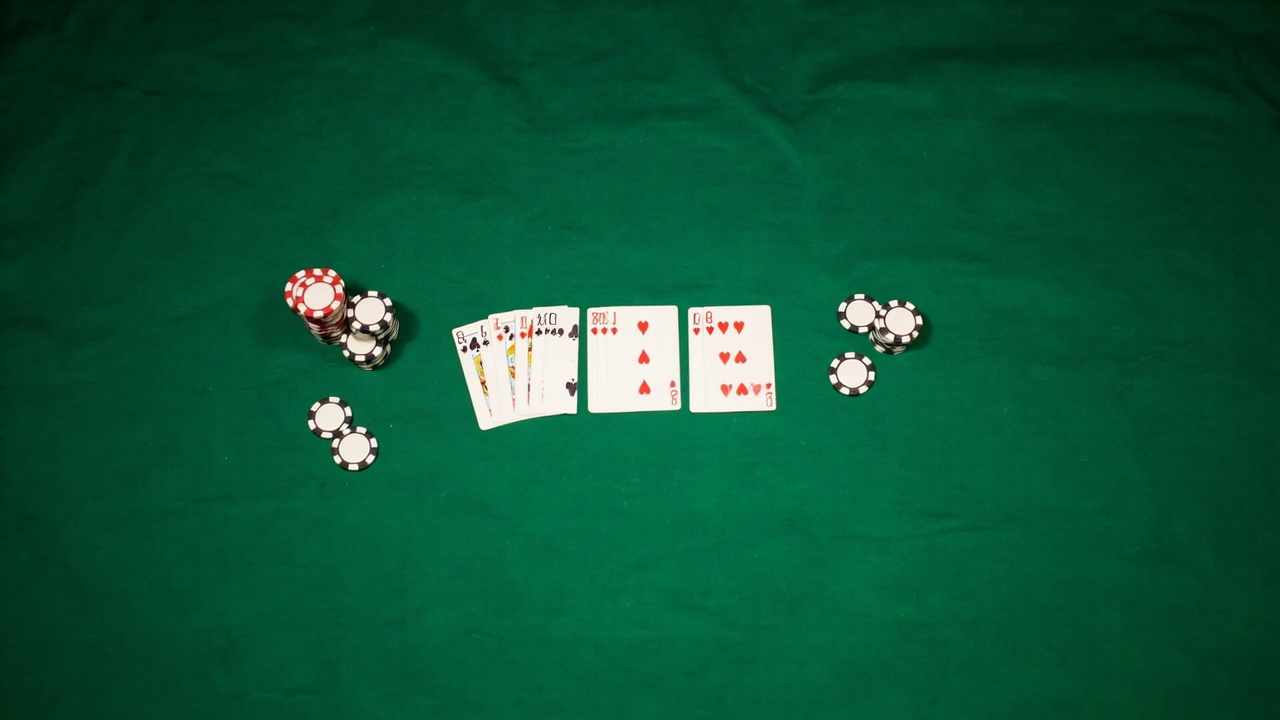
A proper ultimate texas holdem strategy starts with the bet sizes you choose before the cards even hit the felt. In my pre-opening work across the Asia-Pacific, I learned that a property survives on consistent pacing, not on one lucky run, and the same logic applies to your own bankroll. Set your ante and blind limits based on the session you can afford, not the one you hope to win. Watch the dealer rhythm, count the rounds in your head, and refuse to chase a bad flop just because the table feels busy. The players who outlast a weekend trip to the Gold Coast aren’t the loudest ones; they’re the ones who treat every raise as a decision, not a reaction.
When you’re sizing your bets, think about the spread between your ante and your raise, because that gap is where most sessions go sideways. A measured ultimate texas holdem strategy keeps your raise within a range you can repeat ten times over without sweating the wallet. If you’re playing online, check the cash-out timing and the local loading speeds before you sit down, because a laggy transaction window can ruin a solid session faster than a bad hand. You can compare payout timing and deposit limits on a licensed operator’s payment page, such as gargopermits.com, to see whether the withdrawal window matches your own schedule. That kind of practical check matters more than any flashy bonus promise.
Two hands that shape every session
Reading the flop without overcommitting
The first real test comes after the flop, when most players either panic-raise or fold too cheaply. A steady ultimate texas holdem strategy asks you to look at the board texture, not your feelings about the last hand. If the board is dry and you’re holding a middle pair, keep the bet small and let the pot stay manageable; if the board is wet and you’ve got nothing, fold early and save the chips for a cleaner run. I’ve seen tables empty out because one player kept calling on hope, and that’s the exact habit you want to avoid. Count your outs, respect the dealer’s pace, and don’t let a single lucky river tilt the whole session.
When to raise and when to let it ride
The raise decision is where a lot of players blow their limits, because they treat the raise button like a thrill switch instead of a calculated move. A workable ultimate texas holdem strategy means you only raise when your hand strength justifies the extra risk, and you let it ride only when the pot odds and your position line up. I’ve managed floors where the biggest losses came from players who raised on every third hand just to stay involved, and that’s a fast road to a short stack. Keep your raises tight, watch the other players’ patterns, and be willing to sit out a round if the table turns rough. If you’re playing between shifts or after a long day on the Gold Coast, a shorter session with firmer limits beats a marathon that ends in frustration.
Matching the game to how you actually play
A lot of people pick a table because the lobby looks busy, then wonder why the pace doesn’t suit them. The better move is to match your ultimate texas holdem strategy to your own schedule, your tolerance for variance, and the way you like to think through a hand. Some players want a steady game where they can fold, watch, and re-enter without pressure; others prefer a tighter table where every raise counts. Either way, the setup should fit your habits, not the other way around. I’ve seen reform debates across Australia keep circling back to the same tension, with revenue on one side and harm reduction on the other, and the same balance shows up at your own table: play within your limits or step away.
The visual setup matters more than most players admit, because a cluttered lobby or a confusing bet panel can push you into rushed decisions. A clean interface, clear currency display, and straightforward navigation help you keep your head in the game instead of fighting the screen. If you’re playing on a phone after work, make sure the bet buttons are easy to hit and the balance is visible without tapping through three screens. Localisation counts too, from the language on the help page to the way limits are shown, because a table that speaks your language keeps you focused on the cards, not the menu. Superstitions persist even when outcomes are purely random, so don’t let a lucky shirt or a favourite seat convince you the odds have shifted.
- Pick a table limit that fits a session you can afford to lose without checking your bank account twice.
- Set your ante size and stick to it for the first hour, so you can judge the pace before you change anything. gargopermits.com
- Watch the flop texture on three hands before you raise, and note whether the board is dry or wet.
- Raise only when your hand strength and pot odds line up, not when you’re feeling impatient.
- Fold early on a bad board instead of calling hoping for a miracle river.
- Check your balance, the payout window, and the local loading speed before you sit down for a longer session.
- Walk away when the table turns rough or your stack drops to your pre-set limit, because a fresh start beats a forced chase.
The right ultimate texas holdem strategy is the one you can repeat without stress, not the one that sounds clever after a big win. Keep your limits firm, your raises measured, and your session length realistic, and you’ll get more out of the table than a handful of lucky hands.
“Players respond fastest when the limits and payout timing are obvious before the first hand,” James Hughes, Affiliate Partnerships Director, Fluttering Interactive Group, says. “If the bonus mechanics are buried or the cash-out window is vague, the session turns into a guessing game.”
“A clean layout and local language support matter more than most operators expect,” Ethan Hughes, Customer Experience Lead, Wattle Gaming Partners, adds. “When the bet panel is clear and the balance is visible, players make steadier decisions and stay longer.”
“On the Gold Coast, the pace changes with the season and the crowd, so a table that fits your hours is worth more than a flashy sign,” Charlotte Hughes, Commercial Director, Gold Coast Gaming Network, notes. “Match the session to your day, not the other way around.”
