
- Carrito vacio.
- Continuar comprando

Organising a private game among mates can be a solid way to enjoy poker without the noise of a busy venue. In Australia, the rules around social gaming are fairly clear, but it pays to know where the line sits between a friendly session and something that looks like a commercial operation. Most people reckon a quiet night at home is harmless, yet the law draws a distinction based on whether profit is taken from the game itself. Keep the stakes friendly and the atmosphere casual, and you should stay on the right side of local regulations while enjoying a proper arvo session with the crew.
Social Gaming Boundaries and Real Money Limits
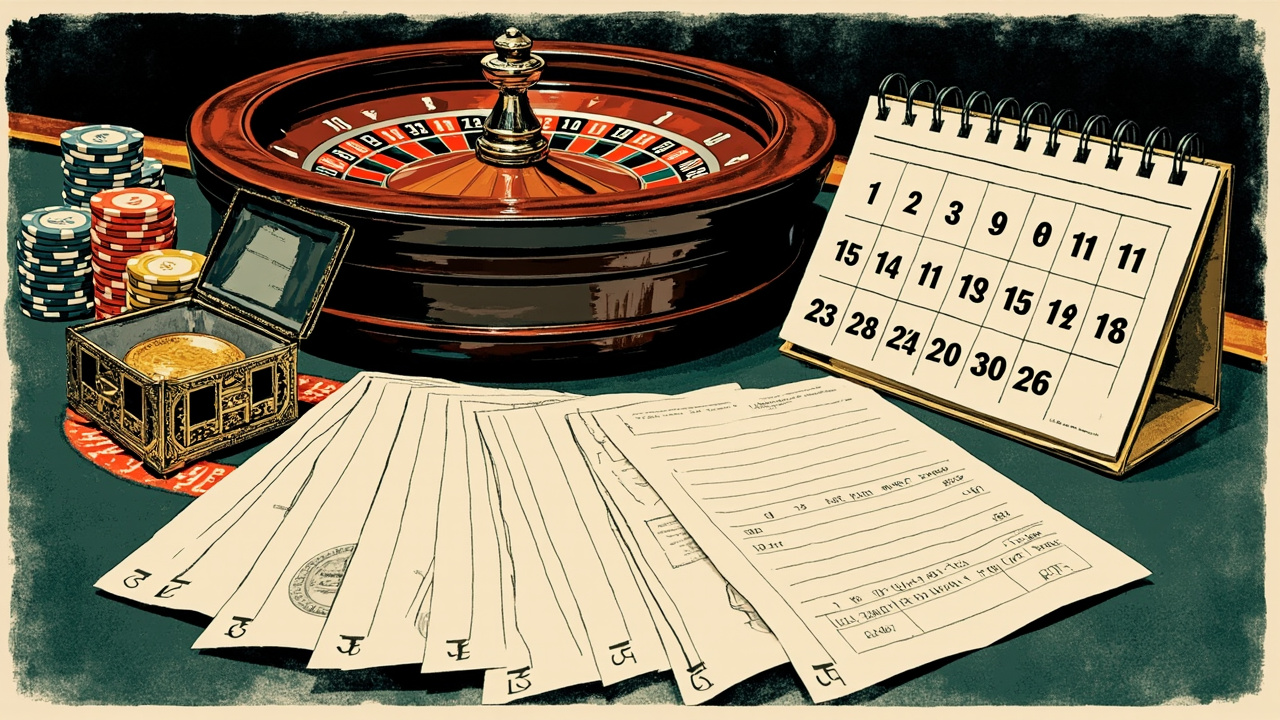
The core principle across most Australian states is that you cannot profit from running a game where players risk money, unless you hold the appropriate licence. For a home setup, this means the host should not take a rake or charge a fee to participate. If you are simply matching players together and splitting any agreed house contribution evenly among the group, that generally falls within social gaming allowances. However, if you start charging a buy-in that exceeds the prize pool or keep a cut for yourself, you are effectively operating an unlicensed venue. I have spent years modelling complex payout structures for slot mathematics, and the same logic applies here: if the maths shows the house keeps a guaranteed edge from player stakes, regulators will see it as a commercial enterprise rather than a friendly gathering. Keep the flow transparent, record the buy-ins and payouts, and avoid any arrangement where the organiser walks away with more than the players.
Perth House Rules and Local Expectations
In Perth and across Western Australia, police and regulators tend to focus on whether a game is genuinely social or being run for profit. A casual night in a suburban home with a fixed group of mates is usually fine, provided no one is advertising the game or taking a cut. Problems can arise when a host starts inviting strangers, charging entry fees, or running regular sessions that look more like a private club than a one-off catch-up. If you are in Perth, it is worth checking local council rules about frequent gatherings, noise, and parking, since even a legal poker night can draw complaints if it becomes a regular spectacle. I have seen game designs where the payout table looks balanced on paper but quietly favours the operator over time, and that same careful eye should go into how you structure your home game so nobody feels the rules are tilted.
Payment Flow, Stakes, and Keeping It Friendly
When real money changes hands, clarity matters more than anything else. Agree on the stake structure before the cards are dealt, write down the buy-in amount, and decide how any surplus will be handled at the end of the session. Using cash is common, but if you move funds through a digital payment app, keep the transfers labelled clearly so there is no confusion about what is a poker contribution and what is a separate personal payment. Never treat the game as a way to generate income for the host, and do not advertise it publicly or accept players you do not know well. For anyone who enjoys the feel of a casino environment but wants to stay strictly within legal social play, exploring a reputable local entertainment option like jackpot jil can be a separate way to sample that atmosphere without blurring the lines of your home game. The key is to keep your private session about the game and the mates, not about building a revenue stream.
If you have run a home poker night lately, what house rules did you set to keep things fair, and would you share that setup with a mate or leave a comment below?

Glossary
- Rake: a portion of each pot or buy-in taken by the host or venue, which is not allowed in a private social game.
- Buy-in: the amount each player contributes to join the table, which should cover the prize pool rather than generate host profit. jackpot jil
- Social gaming: a casual, non-commercial card game among friends where no one operates for profit from the play itself.
